Case studies / CUDDS
Cudds · Home textiles · Egypt · Client since Nov 2024
How Cudds tripled its annual sales in 22 months
Traffic was there. Growth wasn’t. Adlogic rebuilt media, creative, product prioritisation and measurement as one system, and has run it since November 2024.
Last updated 11 Sep 2026 · figures through Aug 2026 · source: Shopify

3.4×Annual sales run-rateTrailing 12 months, Aug 2026 vs Oct 2024 (Shopify gross sales)
+120%Average order valueLast 12 months vs the 12 months before Adlogic
29%Returning-customer rate2026 to date, up from 17% in 2024
The case in 30 seconds
The challenge
Traffic existed, but the store was not converting it into scalable revenue.
What we changed
We rebuilt the system across media, creative, product prioritisation and measurement, then kept running it.
The result
Sales, basket size and repeat purchase grew together: 3.4× the annual sales run-rate.
Our diagnosis
The challenge wasn’t reach. It was what happened after the click.
One map of the whole system before a single campaign was touched.
- Strong demandAffordable-luxury bedding, peaking in winter
- Paid trafficMeta was already the main source
- No funnel separationCold, warm and hot in the same campaigns
- Product-only creativeNo social proof, no UGC
- Equal SKU budgetingSeason and margin ignored
- Low conversion efficiencyThe journey leaked at every step
- Limited ability to scaleMore spend meant a bigger leak
The opportunity
Product prioritisationCreative systemMedia restructureCRO & measurement
→Scalable growthBefore → After
What actually changed
BeforeAfter
BeforeGeneric campaign structure
AfterProduct-led acquisition structure
BeforeHeavy product / static dependency
AfterUGC + lifestyle + product proof
BeforeLimited remarketing depth
AfterFull-funnel retargeting
BeforePlatform ROAS as the main scoreboard
AfterShopify sales and confirmed orders decide what scales
BeforeManual winner selection
AfterAutomated weekly bestseller prioritisation
Growth strategy
One growth system. Four connected levers.
01 — Media
Campaign architecture rebuilt around buying intent, not just audience targeting.
Prospecting→Engagement retargeting→Dynamic remarketing
Three layers, each with its own objective, budget and creative.
02 — Creative
UGC, product demonstration and seasonal content tested across funnel stages.
Real customers front the ads. New season, new creative, never a re-skin.
03 — Product
Budget follows the SKUs Shopify shows are actually generating demand and sales.
Ranked weekly by net sales; automated as a bestsellers engine in 2026.
04 — Measurement
Meta informs optimisation. Shopify validates the business.
Gross sales, orders and repeat rate decide what scales, not platform ROAS.
Performance over time
What happened next
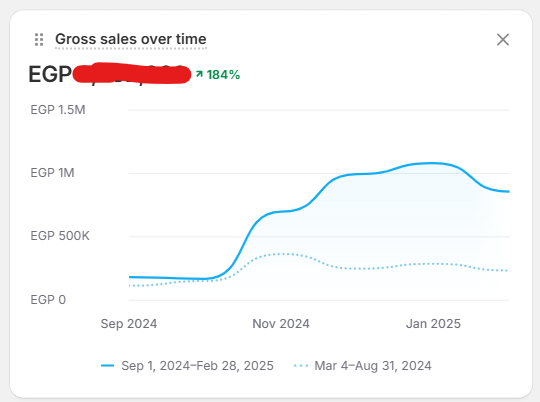
Shopify data, Nov 2023 to Aug 2026, indexed so the trend is visible without disclosing revenue. Below it: the tools themselves, and the numbers.
Documented in the tools
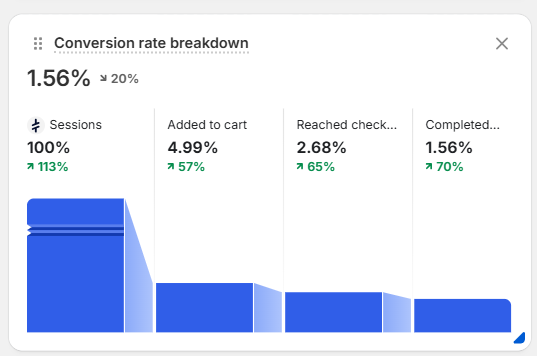
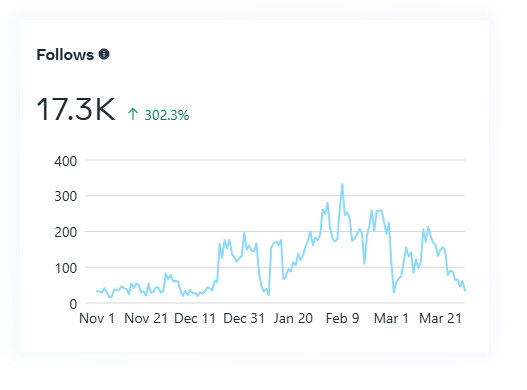
The business impact
Store numbers, not platform numbers. Last 12 months (Sep 2025–Aug 2026) against the 12 months before Adlogic (Nov 2023–Oct 2024).
+239%Gross salesShopify
+54%OrdersShopify
+120%Average order valueShopify
+115%Store sessionsShopify
+57%Revenue per sessionGross sales ÷ sessions
17% → 29%Returning-customer rate2024 → 2026 YTD
Absolute revenue and ad spend are confidential to the client; sensitive values in the screenshots are redacted. Every figure is a Shopify percentage or index for the periods stated; 60% of last-12-month sales came from social referrals.
Creative strategy
The creative system
Three representative pieces. Not the gallery, the ones that changed the numbers.
- Format
- UGC · TOF
Why it workedA real customer unboxing and making the bed answered the category's biggest doubt: is the quality real?
- Format
- Review video · MOF
Why it workedA plain-spoken review in Egyptian Arabic gave warm audiences a reason to trust the price.
- Format
- Dynamic catalogue · BOF
Why it workedCatalogue ads driven by weekly bestsellers showed what was selling and in stock, which is what closes a COD order.
What we learned
01
Fix the leak before you buy more water.
Scaling traffic before fixing the funnel would have scaled wasted sessions. Revenue per session is up 57% even though cold traffic more than doubled.
02
Seasonality is a product decision.
Budget follows the products showing real demand each week, not the whole catalogue. Two winters in, the peak season is 4.6× the pre-Adlogic one.
03
The ad platform reports. The store decides.
Platform signals guide optimisation; Shopify confirms what is actually generating business. That is why the returning-customer rate (17% → 29%) is on this page and platform ROAS is not.
Since partnering with them we've seen a noticeable increase in traffic, engagement and conversions. They understand our brand and consistently deliver ads that resonate with our audience.
Scaling an eCommerce brand but losing efficiency as spend grows?
We review media, creative, products and conversion together to identify what is limiting profitable growth.